
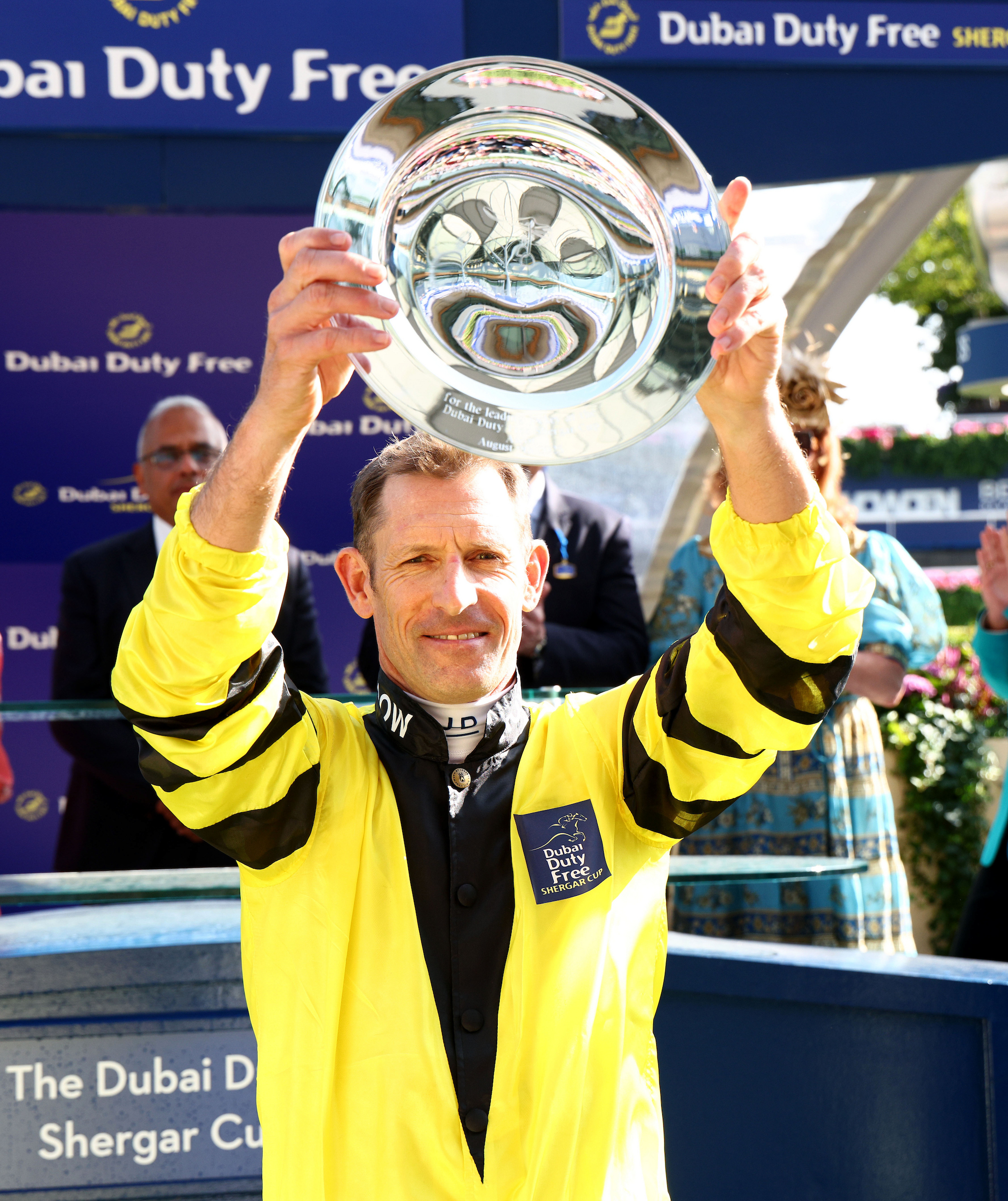
The Shergar Cup at Ascot remains one of the most distinctive fixtures in the global racing calendar – a meeting where national pride, team spirit and individual skill intertwine in a way that few other events can match. Unlike most race days, where the focus is squarely on individual wins, the Shergar Cup thrives on collaboration. Riders must work not only for personal glory but for their team’s collective success.
It is this unique format that tests a jockey’s ability to adapt under pressure, ride for points rather than simply for the win, and think as part of a unit – all while competing against some of the finest riders in the world.
We were especially proud this year to see Hong Kong’s presence felt through the performances of Hugh Bowman and Karis Teetan, both wearing the colours of the Rest of the World team.
Hugh, in just his third Shergar Cup appearance, once again showed why he is regarded among the elite. His first ride of the day on VINTAGE CLARETS was a display of patience and precision – biding his time before threading through a narrow gap to win the Dubai Duty Free Shergar Cup Dash (1000m). That win, combined with a second- and third-place finish, carried him to the coveted Silver Saddle as the event’s leading rider – his second such triumph in three outings.
Karis, as team captain, brought not only his riding ability but also his leadership to the competition. In such a tightly fought contest – with Asia eventually edging Europe by a single point, and every team registering at least one win – the ability to keep a team motivated and focused is as important as racecraft itself. While the Rest of the World team ultimately finished just shy of the podium, their competitive spirit and teamwork were clear for all to see.
As I reflect on the day, I am reminded that the Shergar Cup embodies something that is central to our mission at The Hong Kong Jockey Club: racing without borders. Our sport thrives when cultures, traditions and talents come together. By supporting our riders in these global contests, we not only celebrate their achievements but also reaffirm Hong Kong’s place in the international racing community.
The global racing community won’t need to wait long before we have another opportunity to celebrate cross-border excellence, with the upcoming World All-Star Jockeys (WASJ) in Japan. Organised by the Japan Racing Association, this prestigious event brings together elite riders in a format that, much like the Shergar Cup, rewards adaptability, teamwork and consistency across multiple races. It is another stage where our Hong Kong-based jockeys can showcase their skills against the best the world has to offer, further strengthening our ties with the international racing community.
Speaking of achievements, I am delighted to note the continued success of Alexis Badel during his short-term stint riding in Japan. His giving such a glittering account of himself comes as no surprise to me, though I suspect even he might not have imagined quite the level of success he is enjoying. Saturday (9 August) saw yet another winner for Alexis aboard ANDRINA, and there could be more to come with a packed book of rides scheduled for today (Sunday, 10 August).
After the thrills of the Shergar Cup, The Hong Kong Jockey Club will once again connect our customers with two of Europe’s most prestigious race meetings via our simulcast overseas racing programme. This Sunday’s (10 August) focus will fall on Grosser Preis von Berlin Day in Germany and Prix Maurice de Gheest Day in France — both rich in history, quality and international significance.
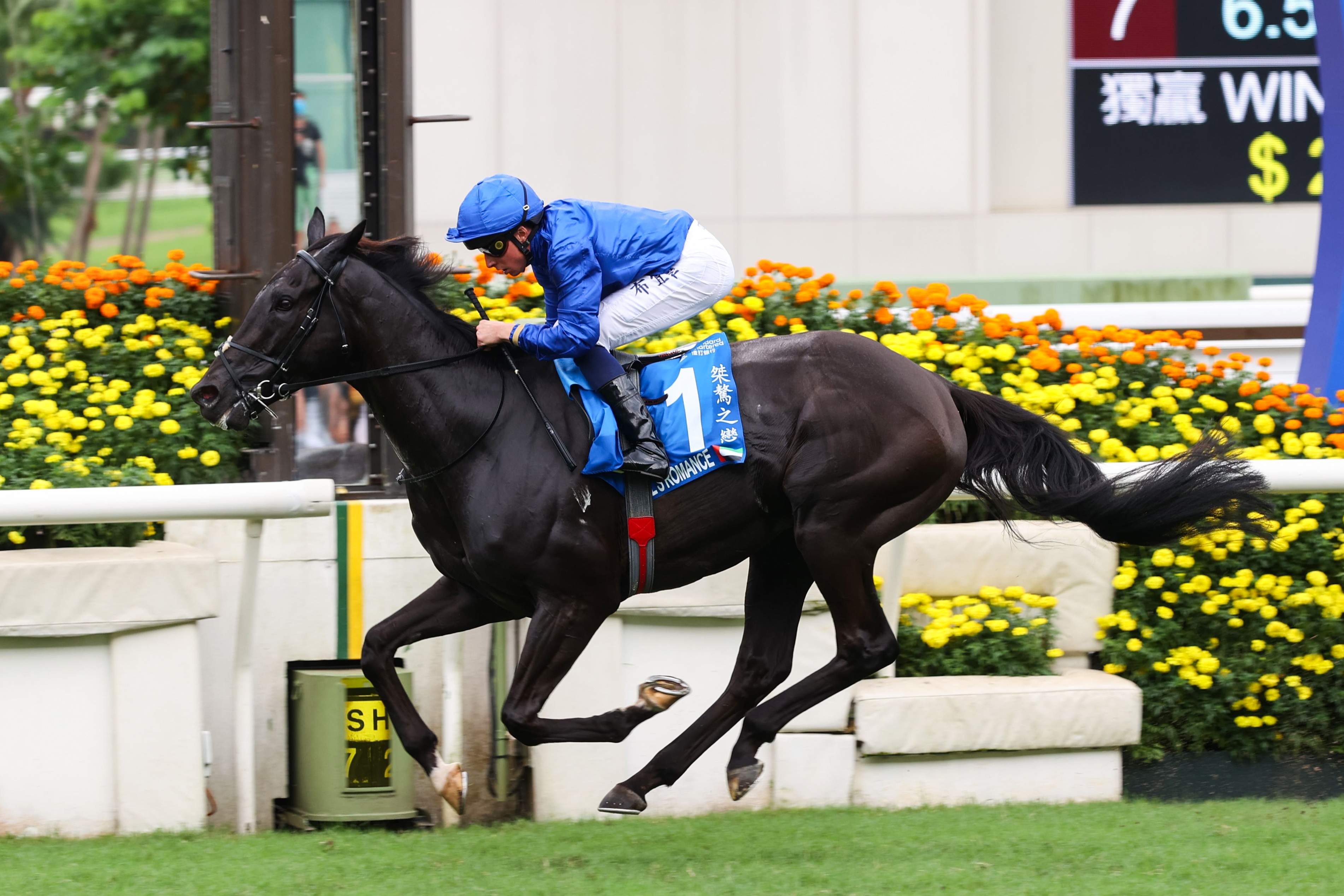
Hoppegarten Racecourse, with its sweeping home straight and deep racing heritage, plays host to the Group 1 Grosser Preis von Berlin (S1-4, 2400m) — the headline event on a card from which we will carry four races. First run in 1888, the Grosser Preis has long been a benchmark for the best middle-distance performers in Germany and a key stepping stone for horses aiming at the autumn’s major prizes.
This year’s renewal brings an international dimension that is becoming increasingly common in top-level German racing. My selection for the race is the outstanding REBEL’S ROMANCE (Billy Loughnane). Trained by Charlie Appleby for Godolphin, this remarkable gelding has built an extraordinary career across multiple continents and surfaces. A Breeders’ Cup Turf winner, a Dubai Sheema Classic hero and a seven-time Group 1 victor, REBEL’S ROMANCE brings proven class, adaptability and the finishing power that can make him formidable even on unfamiliar turf.
Andre Fabre’s JUNKO (Rene Piechulek) and the pick of the German-trained challengers, NARRATIVO (Adrie de Vries), will not make life easy for him, and may well ensure a true test of stamina and positioning. Hoppegarten’s long run-in can tempt riders to move too soon, and with the precociously talented but relatively inexperienced Billy Loughnane in the saddle for the first time on REBELS’ ROMANCE, there is hope for the field. But if he runs to form, I believe he will be very hard to beat and will once again underline his status as one of the most reliable top-level performers in training.
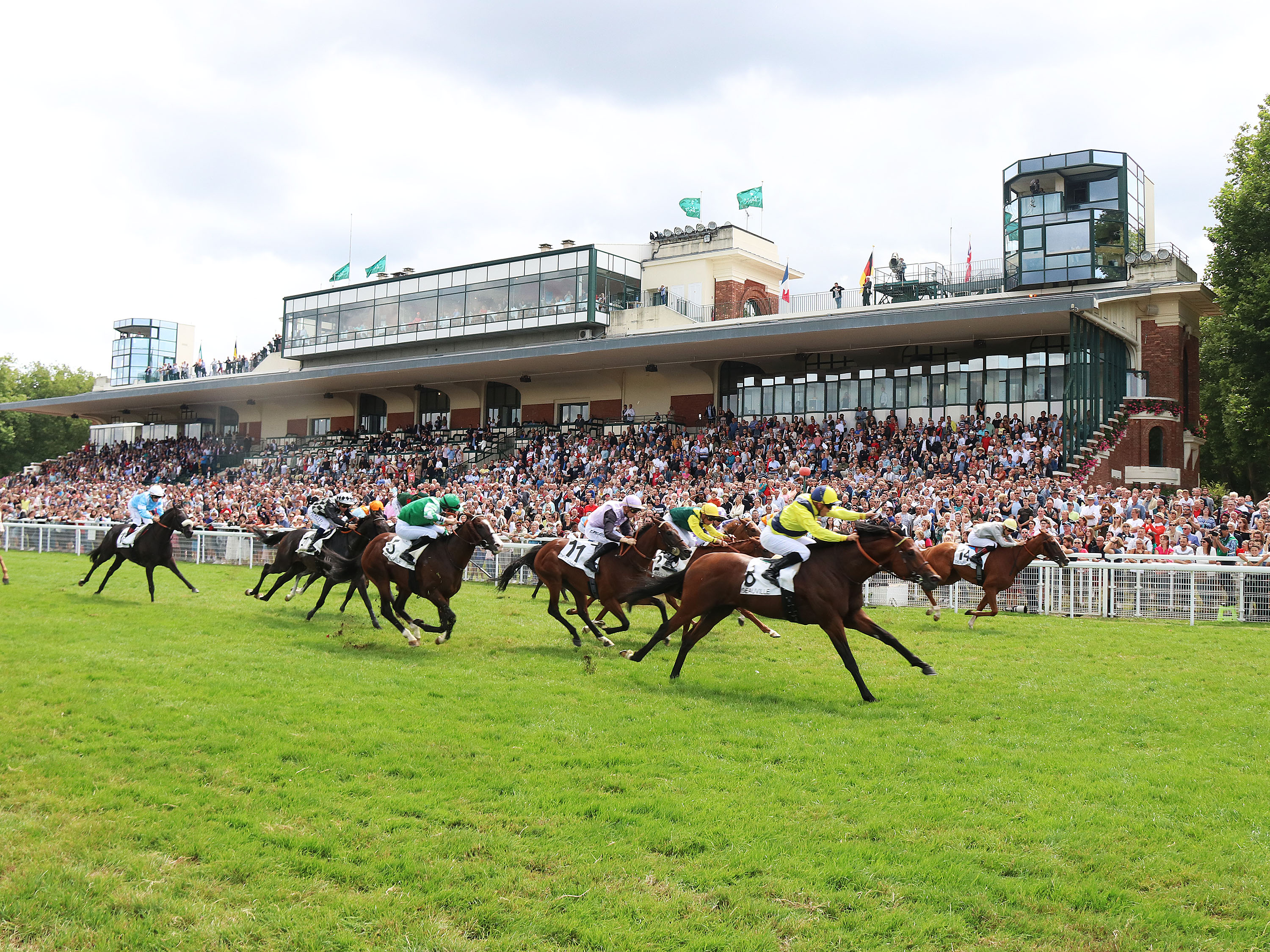
On the Normandy coast, Deauville Racecourse will host one of France’s most intriguing and tactically complex top-level races: the Group 1 Prix Maurice de Gheest (S2-4, 1300m). It is a unique test, bridging the gap between the specialist sprinters and the seven-furlong or milers, and frequently attracting a fascinating blend of speed and stamina profiles.
The race has been won in recent years by stars such as SPACE BLUES and HIGHFIELD PRINCESS, and its roll of honour reflects its reputation as a proving ground for versatility and tactical awareness. This year’s edition is shaping to be another compelling contest.
My preference is for LAZZAT (James Doyle), an improving four-year-old trained by Jerome Reynier. LAZZAT has an impressive strike rate, and his list of scalps includes Japanese speedster SATONO REVE, who he bested in June’s Queen Elizabeth II Jubilee Stakes at Ascot. He has shown an ability to travel comfortably behind a solid pace and then unleash a decisive turn of foot — a trait that could prove decisive in a race like the Maurice de Gheest, where timing and positioning are often key.
He’ll once again go up against some older rivals, but if he wins this race as convincingly as he did 12 months ago, going away from the field, then he firmly secures his place among Europe’s elite sprinting-milers.
Comment


